
The African continent possesses an extraordinary, yet historically underutilized geographical advantage. With 38 coastal and island states tracking collectively across more than 13 million square kilometers of maritime domain, Africa’s vast aquatic spaces represent the next great frontier for continental transformation. Recognizing this paradigm shift, the African Union’s Agenda 2063 explicitly positions the “Blue Economy” as a primary engine for inclusive growth, industrialization, and socio-economic emancipation. However, translating this vast aquatic potential into measurable economic stability requires moving away from fragmented, localized efforts. It demands a unified, high-tech framework—a comprehensive Oceans Master Plan that strikes a precise balance between commercial exploitation, enterprise development, and marine ecosystem regeneration. 🏛️ The Foundations of the Master Plan: Five Core Pillars The modern roadmap for Africa’s maritime advancement is built around five critical vectors established by the Africa Blue Economy Strategy: 1. Advanced Marine Biotechnology & Value Addition Rather than merely exporting raw marine resources, the roadmap emphasizes localized scientific refinement. Harnessing state-of-the-art bioprospecting allows African enterprises to develop premium, clinically validated pharmaceuticals and nutraceuticals. By processing bioactives domestically—such as refining brown seaweeds down to bioavailable, low-molecular-weight Oligo Fucoidans—the continent retains high-value industrial manufacturing jobs and pioneers breakthrough healthcare solutions. 2. Sustainable Fisheries & Balanced Aquaculture Illegal, unreported, and unregulated (IUU) fishing drains approximately $24 billion annually from the African economy, threatening regional food security and coastal livelihoods. The Master Plan addresses this by deploying advanced satellite surveillance, tracking technologies, and harmonized joint maritime patrols. Simultaneously, it incentivizes eco-friendly, land-based and near-shore aquaculture ventures to meet food security targets without depleting natural wild fish stocks. 3. Decarbonized Shipping, Ports, and Regional Trade Maritime transport underpins global trade but currently contributes roughly 3% of global greenhouse gas emissions. As international regulatory pressures to decarbonize intensify, the African roadmap outlines a strategic transition. Utilizing its abundant renewable energy reserves, Africa is uniquely positioned to evolve from a simple shipping transit route into a global refuelling hub supplying green maritime fuels, such as hydrogen-derived ammonia and methanol. 4. Marine Spatial Planning (MSP) & Climate Resilience Industrial growth cannot come at the expense of ecological stability. Marine Spatial Planning (MSP) serves as the primary governance tool to map out designated ocean zones. This process prevents conflicts between competing sub-sectors (e.g., shipping channels vs. small-scale fishing zones) while aggressively protecting blue carbon sinks, such as coastal mangrove forests and coral reefs. 5. Institutional Coordination & Governance Linkages A primary bottleneck to realizing blue growth has been institutional fragmentation. True execution requires a coordinated maritime governance structure that links high-level international policy frameworks with regional economic bodies, private investors, and local municipal strategies. 🚀 Overcoming the Technical & Skills Bottleneck Ambition alone cannot scale an industry; it requires dedicated human capital. Developing a prosperous blue horizon relies heavily on a workforce trained in advanced maritime disciplines. The roadmap calls for aggressive investment in academic infrastructure—ranging from foundational maritime secondary schools to specialized technical short courses for corporate stakeholders. By equipping the youth with specialized training in ocean logistics, aquatic engineering, and marine science, African enterprises ensure that incoming investments directly generate sustainable, high-skilled local employment. 🎯 Conclusion: The Regenerative Future The blueprint for Africa’s ocean economy is shifting focus toward nature-positive, circular business models. Through coordinated regional policies, shared monitoring technologies, and strategic global alliances, the continent is successfully creating an environment where economic productivity and ecological stewardship move forward together. By executing a comprehensive Oceans Master Plan, Africa will successfully claim its sovereignty over its maritime footprint, transforming its blue horizon into a resilient engine of wealth, wellness, and environmental stability for generations to come.
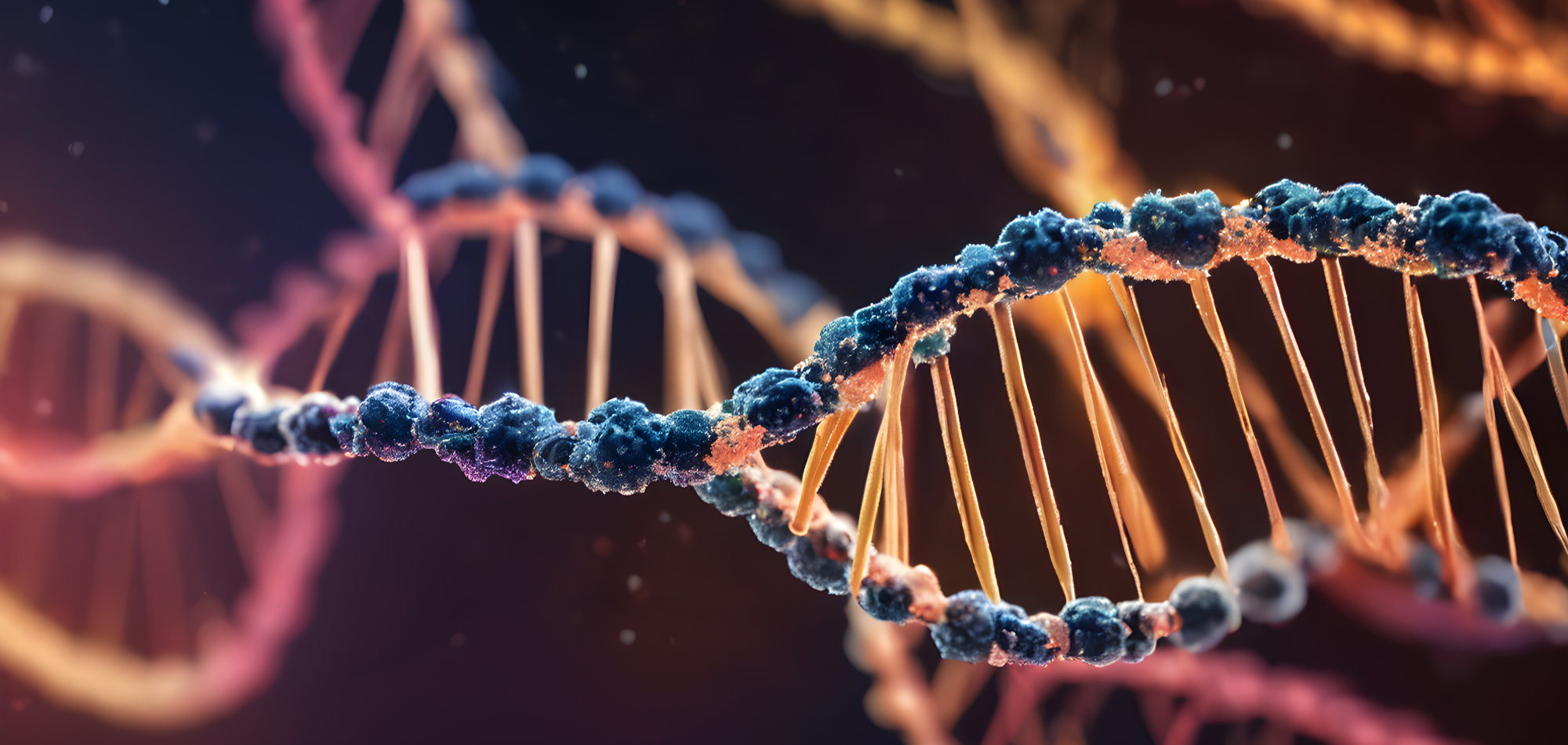
The Science of Molecular Bio-availability: Standard Seaweed vs. 1,500 Da Oligo Fucoidan
For centuries, coastal communities across the globe have revered brown seaweed as a cornerstone of health, longevity, and natural healing. From traditional Eastern remedies recorded in the Compendium of Materia Medica to modern nutritional science, the health-maximizing properties of these marine plants are well-documented. However, eating raw seaweed or consuming standard, unrefined extracts presents a significant biological roadblock: molecular weight. To unlock the true therapeutic potential of the ocean’s bioactives for advanced cellular and complementary oncology care, marine biotechnology has had to re-engineer the natural structure of these molecules through a process known as low-molecular-weight degradation. The Biological Barrier of High Molecular Weight The primary therapeutic compound found within brown seaweed is Fucoidan, a complex sulfated polysaccharide known for its anti-inflammatory, immunomodulating, and cellular-protective properties. In its raw, natural state, Fucoidan is an incredibly massive molecule, possessing a molecular weight that frequently exceeds 200,000 Daltons (Da). Because the human digestive tract is designed to absorb microscopic nutrients, this huge, heavy macromolecule faces a steep biological barrier: The 1,500 Dalton Breakthrough To solve this absorption crisis, advanced marine biotechnology has pioneered a specialized water-based, eco-friendly extraction process that completely avoids the use of toxic organic solvents. This process utilizes premium enzymatic cleavage to neatly break down the massive polysaccharide chains into uniform, low-molecular-weight fragments measuring exactly 1,500 Daltons—creating what is known as Oligo Fucoidan. This structural shift from 200,000 Da to 1,500 Da triggers a massive leap in medical efficacy: Purity, Safety, and Eco-Sustainability True enterprise and healthcare development require more than just efficiency; they require flawless purity. Standard seaweed extracts can easily absorb heavy metals and environmental pollutants from the open ocean. The advanced refinement pipeline of Oligo Fucoidan meticulously extracts heavy metals during manufacturing to ensure absolute food safety. Because it is refined using meticulously clean procedures, it offers clinical-grade support for the liver, kidneys, and cardiovascular systems without introducing toxic organic solvent residues or placing a burden on the local ecosystem. Summary: Standard Seaweed vs. Oligo Fucoidan Metric Standard Raw Seaweed / Unrefined Extract 1,500 Da Oligo Fucoidan Molecular Weight High ($>200,000\text{ Daltons}$) Low ($1,500\text{ Daltons}$) Human Absorption Extremely poor; mostly unabsorbed due to size Hyper-bioavailable; passes instantly into cells Extraction Process Often uses chemical solvents or basic drying Advanced, solvent-free eco-friendly water extraction Purity Control Risk of heavy metals and ocean contaminants Heavily refined; strictly heavy-metal free Clinical Validation Anecdotal / General dietary support Backed by human trials and over 50 published studies